Last Updated 10/15/26
I grew up in Western Nebraska, and I’ll argue with anyone who says this state is just I-80 and cornfields. If you’re willing to get off the interstate, car camping here is a lot better than people expect.
Here are the parks I’d actually send you to, from the Pine Ridge to the Missouri River bluffs.
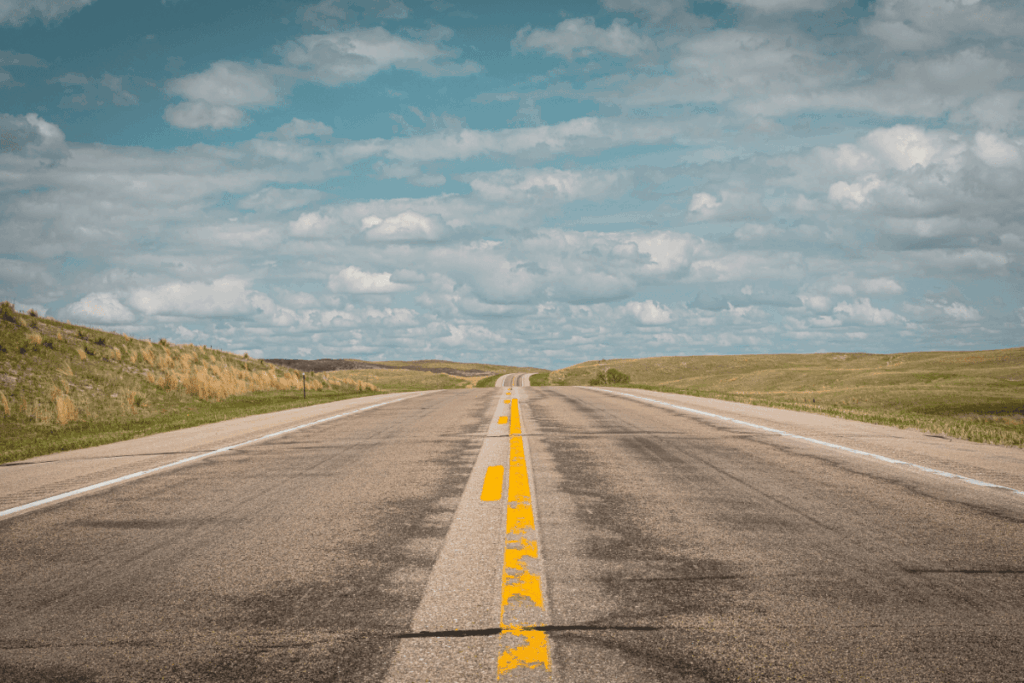
Car camping, like road tripping, is a popular way to get around and enjoy the great outdoors without sacrificing comfort and convenience. Unlike backpacking, car camping allows you to bring along more gear and supplies, making it easier to enjoy extended stays in the outdoors. In Nebraska, car camping is a great way to explore the state’s natural beauty and experience its unique culture.
Why car camping?
Car camping offers many advantages over other types of camping. For one, it’s much more convenient than backpacking, as you don’t have to carry all your gear on your back. This means you can bring along more supplies and equipment, such as a cooler, a stove, and a tent with ample room for all your camping gear. Additionally, car camping is more accessible to people of all ages and physical abilities, as it doesn’t require a lot of physical exertion. It’s also a natural first step if you’re curious about overlanding.
Factors to Consider
Before planning your car camping trip to Nebraska, there are several factors you should consider:
- Weather: The weather can greatly impact your camping experience, so it’s important to consider the season and the forecasted weather conditions.
- Crowds: Some campsites in Nebraska can get busy during peak season, so consider how many people you’re comfortable sharing the campground with.
- Reservations: Many state park campgrounds hold some sites for reservations (up to 180 days out) and leave the rest first-come, first-served. Some parks, like Lake McConaughy, require reservations for all camping during peak summer season.
- Activities: What activities do you want to do during your trip? Some parks offer hiking, fishing, or other recreational opportunities that are only available during certain seasons.
- Wildlife: Nebraska is home to a variety of wildlife, so it’s important to consider how you’ll store your food and trash to avoid attracting animals to your campsite.
- Equipment: Make sure you have all the necessary camping gear and equipment for your trip, including a tent, sleeping bags, cooking supplies, and lighting.
Best car camping locations in Nebraska
Here are some of the best car camping locations in Nebraska:
Chadron State Park
Chadron State Park is the first place I’d send anyone who thinks Nebraska is flat. It sits in the Pine Ridge about nine miles south of Chadron, at nearly 5,000 feet, and the ponderosa pines and buttes look a lot more like the Black Hills than anything you see from I-80. It’s also Nebraska’s first state park, founded back in 1921.
On paper the park is only 972 acres, but that undersells it. The six miles of hiking trails and four miles of mountain bike trails tie into the Nebraska National Forest, which adds more than 100 miles of trails and old roads. When I started mountain biking in college, this whole area was a little-known mountain bike mecca, and honestly it still is.
Back at camp there’s a pool, paddle boats on the pond, disc golf, archery and summer trail rides, and you can fish for trout in the pond or in Chadron Creek. I learned to shoot a bow and arrow here on a summer trip in 6th grade, and the archery range is still going.
The campground has 70 electric pads plus primitive tent sites, and there are 22 cabins if the weather turns on you.
Indian Cave State Park
If you’re on the eastern side of the state and want real hiking, this is the place. Indian Cave State Park covers 3,052 acres of hardwood forest and bluffs along the Missouri River in the far southeast corner of Nebraska. There are 22 miles of hike/bike trails and another 16 for horses, and some of the climbs up from the river are steeper than you’d expect. It’s close enough to Omaha for a day trip, too. Back when we were dating, my now-wife and I drove down for a day of hiking, then headed back to Omaha for the best plate of smoked chicken nachos I’ve ever had at McKenna’s Blues, Booze and BBQ. It’s gone now, sadly, but the trails are still here.
The cave itself is really a big sandstone overhang carved with prehistoric petroglyphs that nobody has been able to date. You view them from a boardwalk now, which is a good thing, because graffiti from later visitors already ruined some of them.
Camping covers everything from Basic sites to Electric Plus, plus a horse camp, and Adirondack shelters along the trails let you turn a hike into an overnight. Go in fall if you can. The hardwoods put on one of the best color shows in the state, and you skip the summer humidity.
Eugene T. Mahoney State Park
Mahoney isn’t really a camping trip. It’s a family weekend with a campsite attached. Eugene T. Mahoney State Park sits right off I-80 at exit 426 between Omaha and Lincoln, and its 690 acres are packed with a wave pool and water slides, a marina with paddleboats, a ropes course, mini golf, a driving range, trail rides and a 70-foot observation tower over the Platte River Valley. The Kountze Memorial Theater has been running melodramas for more than 30 years.
You can camp, rent one of 60 cabins or grab a room at the 40-room Peter Kiewit Lodge. Winter’s covered too, with sledding, ice skating and an indoor climbing wall. If you want peace and quiet, look elsewhere. If you’ve got kids, it’s hard to beat.
Lake McConaughy State Recreation Area
Big Mac is the closest thing Nebraska has to a beach trip, and in summer it acts like one. Lake McConaughy is about nine miles north of Ogallala, roughly 20 miles long, with 76 miles of shoreline that’s mostly white sand. You can pull your camper right up to the water for beach camping or grab a full hookup site in one of the modern campgrounds.
Plan ahead, because every campsite needs a reservation from May 20 through September 10. After that it’s first-come, first-served and a lot quieter. Anglers come for walleye, since Big Mac is consistently the top trophy walleye lake in the state. If you want a break from the water, the visitor center near Kingsley Dam has aquariums, and Ash Hollow State Historical Park nearby still has Oregon Trail wagon ruts you can walk.
Niobrara State Park
Niobrara State Park sits right where the Niobrara River runs into the Missouri, across from South Dakota, and the view of that confluence is the whole reason to come. The Missouri along this stretch was never channelized, so it still looks like a real river.
There are about 14 miles of trails, primitive and RV camping, and around 19 cabins overlooking the water. The old railroad bridge trail has taken flood damage in recent years, so check before you plan around it. The fishing bridge over the Niobrara is a good spot for catfish, and in spring you can book a blind to watch sharp-tailed grouse dance on a lek in the park’s pasture.
Fort Robinson State Park
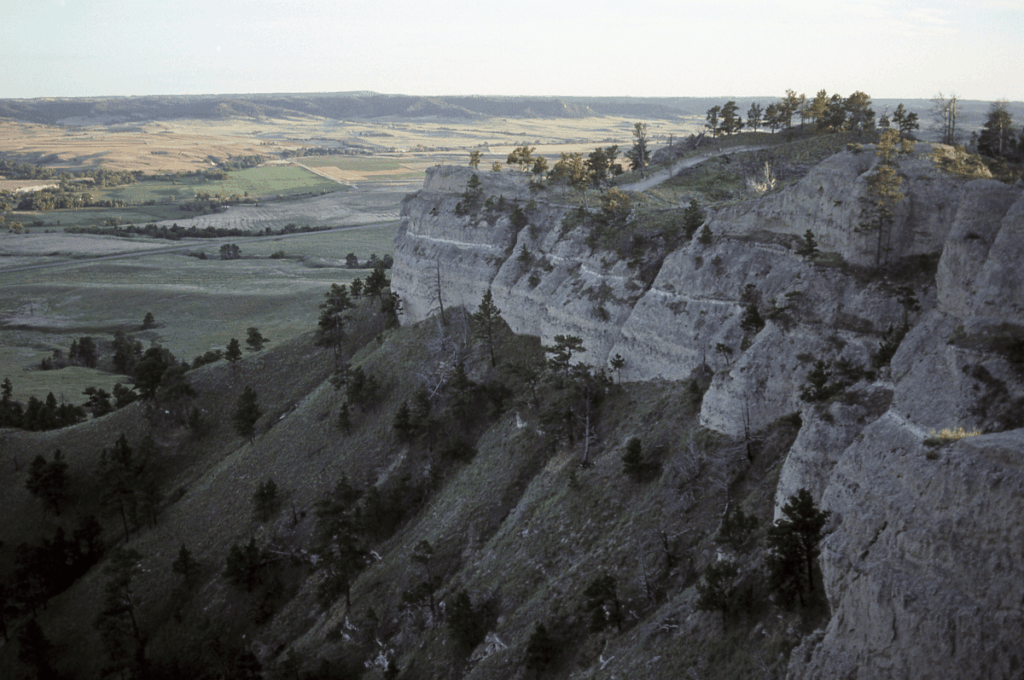
If I could only pick one park out west, this would be it. Fort Robinson is more than 22,000 acres of Pine Ridge buttes about three miles west of Crawford, which makes it the biggest state park in Nebraska, and it carries a lot of hard history. Crazy Horse was killed here in 1877, and the Cheyenne Outbreak happened here in 1879. Later the fort served as a cavalry remount station, a K-9 training center and a World War II POW camp. The History Center and the reconstructed buildings, including the guardhouse, are worth slowing down for.
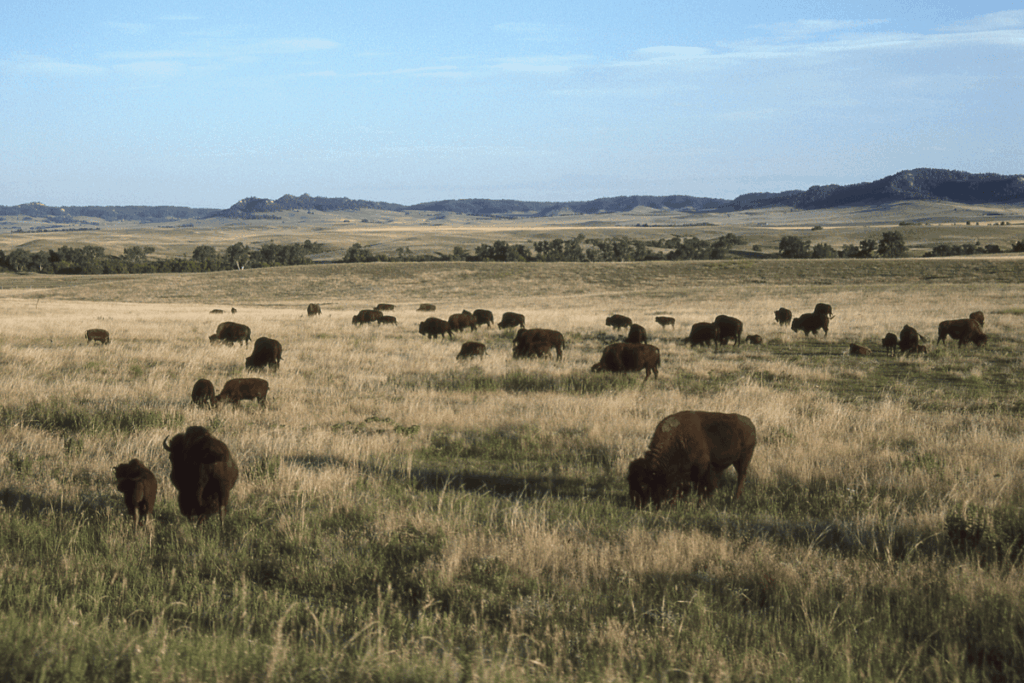
There’s plenty beyond the history. The park has about 60 miles of hiking trails and 20 miles of mountain bike trails, plus its own bison and longhorn herds, Jeep and stagecoach rides, trail rides and a pool. Don’t skip the Trailside Museum, where two mammoths that died with their tusks locked together are still on display.
Three campgrounds cover Full Hookup, Electric Plus and Basic sites, and you can sleep in the old officers’ quarters if you want the full experience. The South Fork Fire closed some trails and activities for part of 2026, so call ahead.
Platte River State Park
Platte River State Park is where I’d point anyone who wants to try camping without fully committing to a tent. Along with RV and primitive sites, the park offers modern cabins, camper cabins, glamping cabins and even tipis on about 450 wooded acres between Omaha and Lincoln. Some of the vintage cabins date back to the summer camps the park was built from.
Stone Creek Falls is the headliner at about six feet tall. Hey, this is Nebraska, we take what we can get. Kids will love wading in Crawdad Creek, the two observation towers have great views of the Platte Valley, and Mahoney is only a few miles away if you want to hit both.
Windmill State Recreation Area
Let’s be honest, Windmill isn’t a destination. It is, however, the best overnight stop on I-80 between Kearney and Grand Island. Windmill SRA sits right at the Gibbon exit (285), with 69 electric pads, 23 Basic sites, showers and laundry.
The antique windmills give it some character, including an 1880 Standard that once pumped water for steam locomotives. The six little lakes started out as borrow pits from building the interstate, and Lake 2 gets stocked with trout. If you’re passing through in March, the sandhill crane migration along this stretch of the Platte is worth planning a trip around.
Smith Falls State Park
Come for the falls, but stay for the river. Smith Falls, about 63 feet tall, is the highest waterfall in Nebraska. To reach it, you cross the Niobrara on a historic footbridge and walk a short trail into a cool canyon that still supports paper birch, which is pretty wild for this part of the state.
The Niobrara is one of the best floats in the Midwest, and plenty of canoe, kayak and tube trips stop or take out here. Camping is tent only on Basic sites, with no RV hookups or cabins, which keeps it pretty laid back. It’s roughly 12 to 18 miles east of Valentine, depending on your route.
Two Rivers State Recreation Area
Two Rivers is a fishing park first, and it’s the closest decent camping to Omaha. The land is flat river bottom where the Elkhorn meets the Platte, so don’t come expecting scenic hikes. Instead you get seven sandpit lakes, a trout lake that’s stocked every spring and plenty of campsites.
The real reason people book here is the 10 retired Union Pacific cabooses that have been turned into cabins sleeping six. They go fast, so reserve early. Bring bug spray in summer, because being between two rivers comes with mosquitoes.
Victoria Springs State Recreation Area
Quick heads up, don’t pack a swimsuit for the springs. Victoria Springs is named for the only known mineral springs in Nebraska, but they were capped long ago. The water was bottled and sold nationwide in the late 1800s as a cure-all that never quite lived up to the hype.
What you get instead is one of the quietest parks in the state. It’s 60 acres at the edge of the Sandhills near Anselmo, with a spring-fed lake for paddleboats and fishing, two rental cabins and a small campground. History buffs can check out two 1874 log cabins (one was Custer County’s first post office) and an old one-room schoolhouse. It’s a little out of the way, which is the whole point.
Ponca State Park
For river views on the eastern side of the state, Ponca is my pick. It sits on bluffs above the Missouri at the start of the 59-mile Missouri National Recreational River, one of the last unchannelized stretches of the river. Lewis and Clark came through here, and from the Three State Overlook you can see Nebraska, Iowa and South Dakota at once.
The park has 22 miles of trails through wooded ravines, a pond stocked with trout, an aquatic center and river access for boats and kayaks. With 27 cabins and lodges open year-round, it’s a solid winter option too.
Wildcat Hills State Recreation Area
This one’s close to home for me. Wildcat Hills is about 10 miles south of Gering on Highway 71, where the Panhandle stops looking like prairie and turns into ponderosa pine, canyons and rocky buttes. I spent many a day out hiking these hills. I used to know some great hidden canyons for a hike and a picnic, where the rattlesnake dens were (to avoid, or to scare your friends with), and plenty of good old-fashioned solitude for living out my Red Dawn moments. That was the mid-to-late ’80s, before the Nature Center (built in 1995) or the shooting sports complex (2016) existed. These days the trails and the Nature Center decks give you a long view down the North Platte Valley.
Camping here is primitive only, which keeps it quiet. The area got its name from the bobcats that were common back in the fur trade days, and if you’re lucky you might spot bighorn sheep near the base of the hills. Make time for Scotts Bluff National Monument just up the road. Growing up in Gering, we lived close enough to ride our bikes to the visitor center, and I lost count of how many times we hiked to the top.
Best Time for Car Camping in Nebraska
It depends on which side of the state you’re headed to. Out west, late spring through fall is the sweet spot, since the drier air keeps even the warm days comfortable. On the more humid eastern side, I’d aim for spring through mid-June or September through October.
Spring: Mild temps and smaller crowds, but Nebraska spring means wind and the occasional severe storm, so bring good stakes and keep an eye on the forecast. March is also sandhill crane season along the Platte if you’re anywhere near Windmill.
Summer: Peak season. It’s the best time for the water parks like Lake McConaughy, which also means reservations and crowds. Eastern parks get hot and sticky, so summer is a better time to head west or toward the water.
Fall: My favorite. The crowds thin out, the hardwoods at Indian Cave and Ponca turn color, and the Pine Ridge is at its best. Lake McConaughy also switches to first-come, first-served after September 10.
Winter: Not for everyone, but Chadron, Windmill and Two Rivers keep camping open year-round. Expect the showers and modern restrooms to be closed. Cabins at places like Ponca are an easier way to try it.
What to pack for a car camping trip
When planning a car camping trip, it’s important to pack the right gear and supplies. Here are some items to consider bringing along:
- Tent
- Sleeping bag and sleeping pad
- Cooler and food supplies
- Camp stove and fuel
- Headlamp or flashlight
- First aid kit
- Insect repellent
- Sunscreen
- Camping chairs and table
- Portable camping shower or toiletries
Tips for a successful car camping trip
Here are some tips to ensure a successful and enjoyable car camping trip:
- Make a checklist of all necessary gear and supplies before leaving
- Reserve your campsite in advance, especially during peak season
- Arrive at your campsite early to set up camp before dark
- Keep your campsite clean and tidy to prevent wildlife from being attracted to your area
- Follow all campground rules and regulations, including fire restrictions
- Stay safe and aware of your surroundings, especially in western Nebraska where rattlesnakes are common
Pack Up and Go
As someone who grew up in Western Nebraska but has spent a few years in Eastern Nebraska, I definitely have my favorite. Western Nebraska.
While putting this article together, I was reminded of an essay from a few years ago by Bart Schaneman: If You Ever Come to Western Nebraska. This is definitely worth the five minutes of your day it will take to read it.
FAQs
You don’t need a separate camping permit, but every vehicle entering a Nebraska state park or recreation area needs a Nebraska State Park Permit, available for a day or the whole year. Camping fees are paid separately on top of that.
It depends on the park. Many campgrounds take reservations for about half their sites (up to 180 days out) and keep the rest first-come, first-served. Lake McConaughy is the big exception, since all camping there requires a reservation from May 20 through September 10.
Yes, at some parks. Chadron, Windmill and Two Rivers all keep camping open year-round, though showers and modern restrooms usually shut down for the winter. Cabin season at most parks runs roughly mid-April through mid-November.
Most of the parks on this list have electric sites. Smith Falls and Wildcat Hills are the exceptions, with tent and primitive camping only. If you’re bringing an RV, check the hookup type (Electric, Electric Plus or Full Hookup) before you book.
Usually, but fire bans do happen during dry stretches, especially out west. Check the park’s page or call the office before you go.
Yes, dogs are welcome in campgrounds as long as they’re leashed and under control. Pet rules for cabins and other rentals vary by park, so check before you book one.
